
Scaling renewable energy with Climate Bonds
Pat Conarro, ANEW Energy founder and CEO, walks through this page: why climate bonds exist, the communications board that meters and signs every kilowatt-hour, the factory-to-bond model at 50, 100, 1,000 and 10,000 systems a week, and how a bond manager pays installers, insurers and bondholders.
- 0:00Introduction: Introduction to renewable energy gaps and the Intel vendor mindset
- 0:46Climate Bonds Overview: Understanding climate bonds and capital allocation for the climate crisis
- 1:29The Circuit Board Technology: The role of the $50 circuit board in monitoring power and trading electrons
- 2:08Scaling Production & Bonds: Simulator and scaling production numbers for renewable energy projects
- 4:11Hardware Security & Crypto: Using unclonable function chips for cryptography and tracking power
- 6:32Energy as a Service: Energy as a service rental model and final market metrics
Video transcript
Introduction
Okay, so at Intel, as a vendor back in the 1990s when we were selling all the semiconductor equipment to them and my company was in like every part, every department, we had to say the Intel mantra and essentially it's the human error will come in and find a way to wreck the process. My job as a vendor to Intel is to human-proof everything. So we went through for many years, all the way back a decade or so, and tried to figure out how can we find the gaps in deploying mass scale renewable energy. So, you know, you've learned about all the products that we're doing and we found that the gap was getting funding to underserved communities and pretty much just anybody that needs to go, you know, renewable.
Climate Bonds Overview
And so we devised this whole plan where we learned about these climate bonds. So a little bit about climate bonds is that it's capital that's been allocated to fighting the climate crisis. The large financial institutions around the world have put money that's earmarked for this and you have to do a lot of regulatory compliance to be able to receive this capital. And there's something in the magnitude of five times more capital available than there are certified bonds. So I believe that there's like $15 trillion targeted for fighting the climate crisis.
The Circuit Board Technology
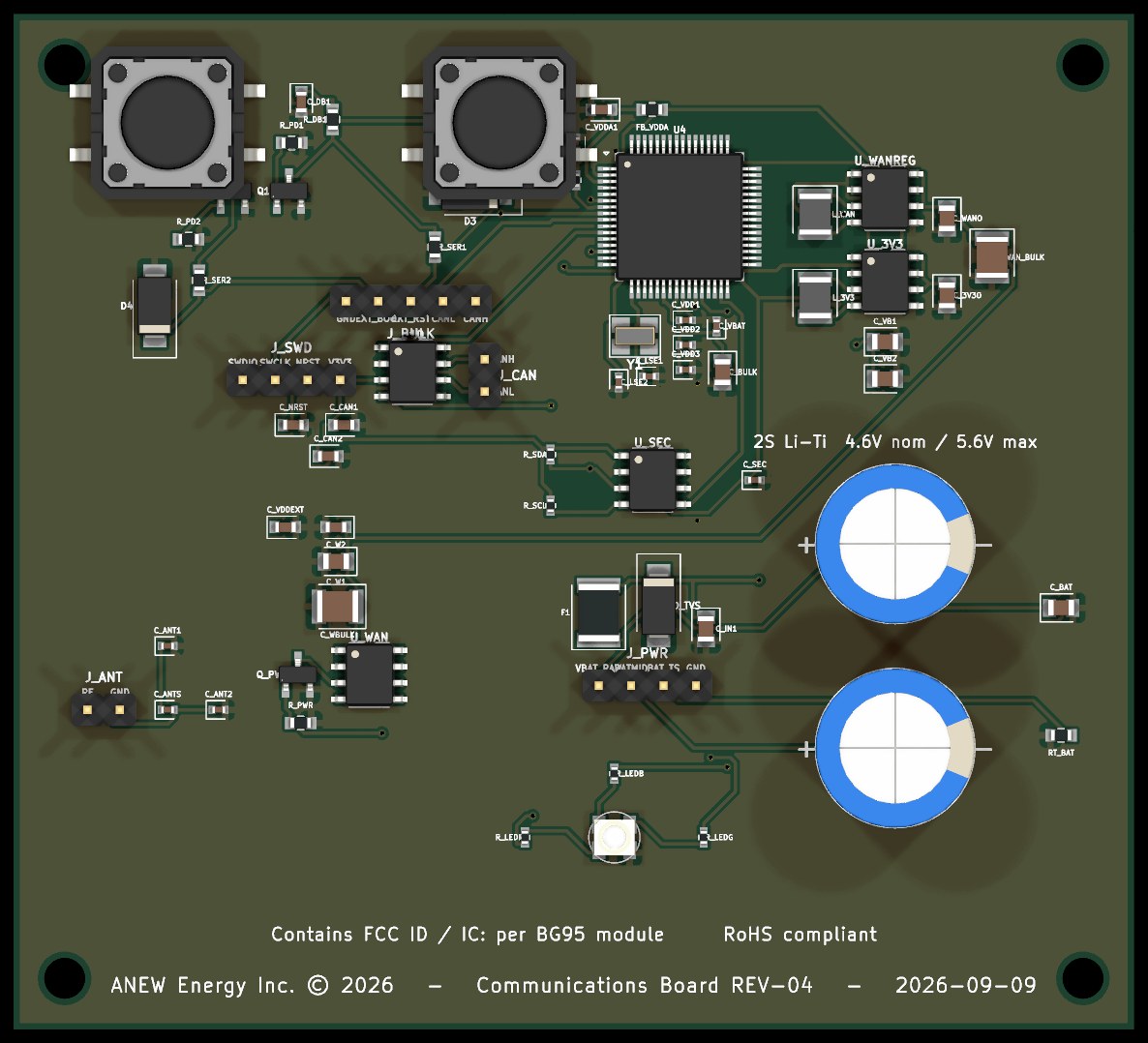
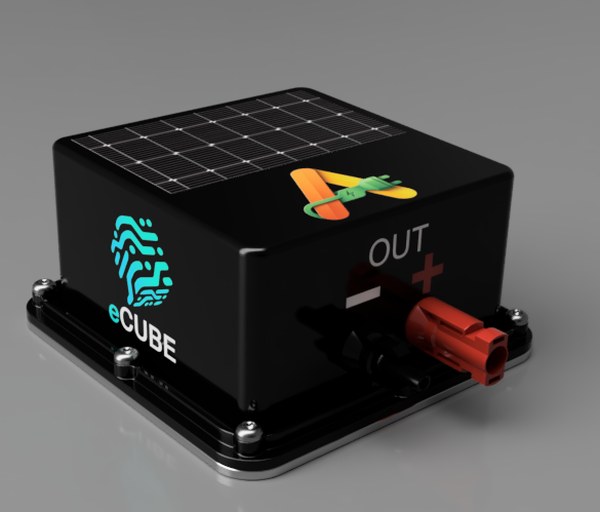
And the big banks tried it with the United Nations and they couldn't deploy the capital, and they're still struggling to deploy the capital. And we believe it's this little $50 circuit board that you're looking at here on this page right here. And this goes into every product that we make. Down here is a box that's got a little solar panel on it. It's always alive, it's always talking to the Internet and it's transmitting how much power goes through this box. So a solar panel could be on one side and you know, the grid could be on the other side. And when you transfer that, you can trade the power. So the idea of working with the commodities market like the Chicago Mercantile Exchange and Luxembourg and you know, all these different exchanges and being able to trade electrons is what we're working on.
Scaling Production & Bonds
And so as we think through this, we've got to be able to do it in big batches of, you know, 500 at a time, thousand at a time. And when we do that, we have to come down into this section of this web page and we're going to scale this thing. So if we have one factory up here in the left, and let's say it makes 50 assemblies per week. So 50 microgrids, batteries, windmills, water turbines, solar trackers, EV charging stations, distribution back to the grid. So we've got all these products that work together as a collective. The bond transactions are $95 million. And these are floating numbers. So this is just a simulator here. But if we go to 100, you see that we go up higher. If we go to 1,000. So we believe that we can deliver 10,000 wind turbines, water turbines, batteries per week. With this mass scale production that we're developing, it turns into a 1.9 billion dollar bond that we want to pull down from the climate bond. So basically we take the products that are being sold, we certify them, we then get costing from certified installers that we've approved. And now we're certified with the Climate Bonds Initiative because we've complied with their regulatory compliance. [Editor's note: ANEW Energy is registered with the Climate Bonds Initiative and is working toward certification, which it plans to have in place by the time the products are in production. It is not yet certified.] And we do it all day long every time we ship a product. So we can do this at scale. And then we bring in the insurance company, we do all the regulatory paperwork in advance so everything's ready to go. The package is there and we do it like 500, 1000 at a time per week. And we bring in these project managers and they're there at the site getting everything done. And when their paperwork and compliance is ready to go, then we go ahead and we can trade the futures on the electrons that are sold.
Hardware Security & Crypto
So we can trade it with markets through this circuit board that's on every device. So this has got an encrypted chip on there. So in semiconductors when we're making all these little transistors, these circuits that turn on and off to make modern computers work and cell phones and all that, there's always flaws because it's such fine resolution. There's billions of circuits that the chip has a unique ID. So we can map out that unique ID with a chip called a PUF. It's an unclonable function. So it goes in, figures out where all they are and it creates a long crypto number. So we've got crypto for every product that we make. And so when we think this way, now we can start trading each device and then we can monitor how much power it's sold since it was created and when it goes carbon negative and all kinds of cool things like that. And so this little box here is standalone. It's got a little solar panel on board to keep the battery charged. So if power goes down, it can keep monitoring what's going on when it wakes up. And then it registers how much power has been transferred. And so this is a demo board that we're building right now. And it'll essentially go into every product and then it's got a power board that monitors all the power. And we can recalibrate it every year. So this is kind of the hardware behind it. But down here you can start playing around with like, if we build five factories, we want to build 10 factories by the end of the decade. And then we come down and we max out at 10,000 units per week. So five factories at 10,000 per week. That's 9.6 billion in climate bonds that are traded on the exchange. So it becomes a whole new bond platform. And we're committed to this thing. And now we can get capital to, you know, the bond manager is going to pay, you know, the people that installed it, they're gonna pay all the regulatory compliance, they're gonna pay the insurance company.
Energy as a Service
So if Lloyd's of London, you know, insures a big package of these things, you know, they get paid monthly on their insurance that we do. So anyhow, everybody gets paid by the bond manager and then power is made. People don't need to have huge amounts of capital to get into this. And we've actually got a rental angle to this where we kind of take the ownership of it and we just rent the equipment out to companies that just don't want to deal with any of it. They just want to keep buying power. They call it EaaS, energy as a service. So anyhow, that's a little bit about it. You can come down into here and read more about these climate bonds. So they've been around for quite a while. The big banks put them together. Here's some examples of selling products in Kenya versus Costa Rica. And then more metrics about the transaction, the trade, and on and on. So lots of cool graphs and charts that update when you play with the variables. And it actually has an open feed to the climate bond market. So you can see all the bonds that are being sold right now on the market. So anyhow, this is a little bit about it. Thank you very much for taking time to learn. And as they say in Costa Rica, pura vida, which means have a pure day and a beautiful day. So thank you and we'll talk to you again sometime next.
